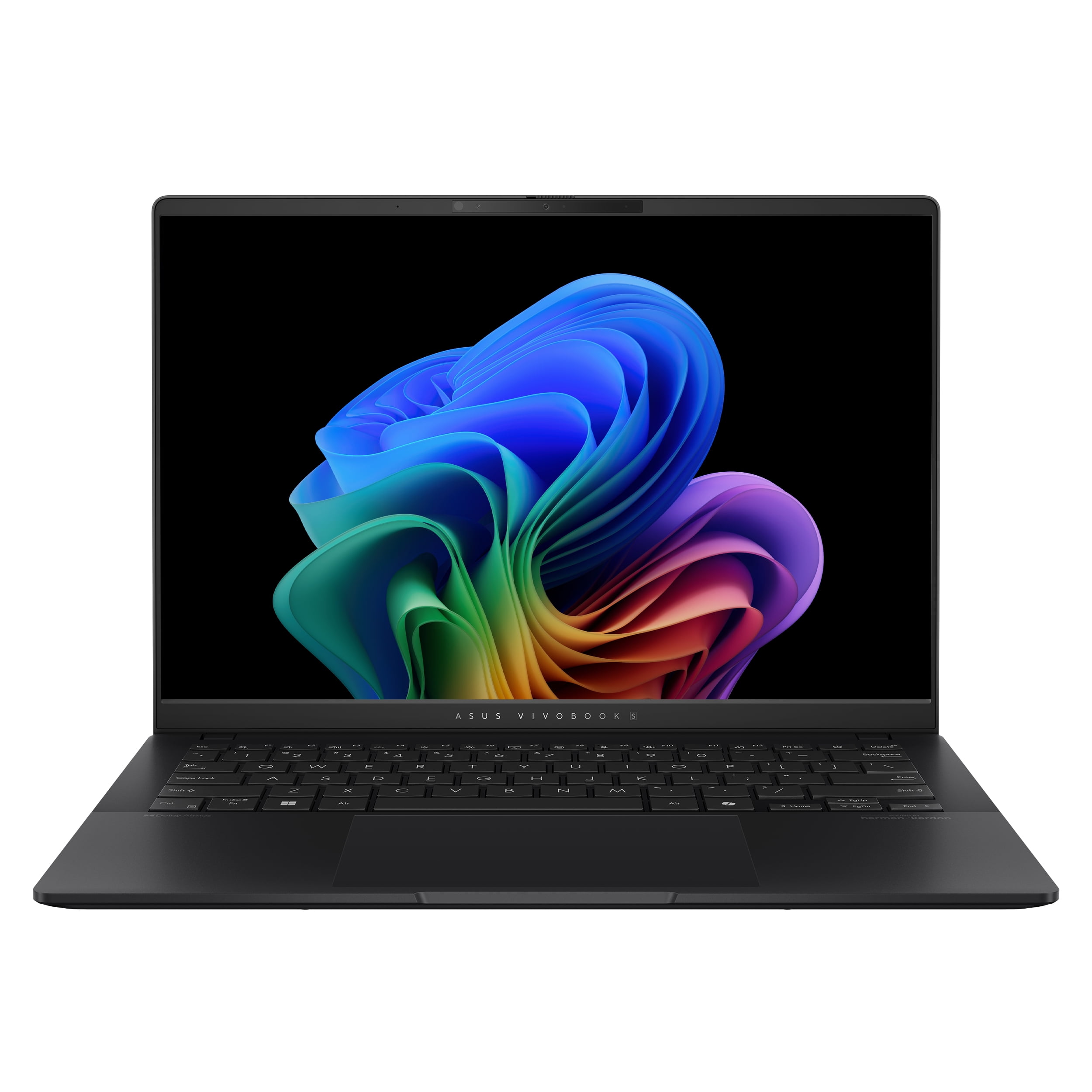
Every so often, a laptop deal pops up that makes you do a double-take. This is one of those. We're looking at a premium thin-and-light from ASUS, packed with specs that would normally push it well over a thousand dollars, currently sitting at a very attractive price point. If you've been waiting for a balance of portability, power, and a gorgeous screen without breaking the bank, this Vivobook S 14 deserves your attention.
What Makes This Screen So Special?
Let's start with the star of the show: that 14-inch OLED panel. Once you've used an OLED laptop for everyday tasks, it's hard to go back. The colors are incredibly vibrant, blacks are truly black, and the 600-nit peak brightness means it stays usable even in well-lit rooms. The 16:10 aspect ratio (1920x1200) gives you a bit more vertical space than a standard 16:9 screen, which is a huge plus for scrolling through documents or web pages. For content consumption, creative work where color accuracy matters, or just making everything look better, this display is a massive upgrade over typical IPS panels in this price range.
Performance You Won't Outgrow Anytime Soon
The specs here are future-proofed in all the right ways. 32GB of RAM is generous—overkill for basic use, but perfect if you like having dozens of browser tabs open while streaming music and working in a few documents. It also means this laptop can comfortably handle more demanding tasks like photo editing or light video work without breaking a sweat.
The Intel Core Ultra 7 258V is part of Intel's latest generation, built with AI tasks in mind (it's even branded as a 'Copilot+ PC'). In practical terms, this means very efficient performance for everyday productivity and solid integrated graphics from the Intel Arc chip. Paired with the super-fast 1TB PCIe Gen 4 SSD, the whole system should feel snappy and responsive.
Built for the Long Haul (and the Long Day)
Two specs that really define a good portable laptop are battery life and build quality. ASUS claims up to 16 hours from the 75Wh battery, and while real-world use will vary, you can confidently expect a full workday away from the charger. The Intel Evo certification it carries is a good sign, as it mandates certain standards for instant wake, fast charging, and consistent performance on battery power.
The design touches are thoughtful, too. The 180-degree hinge lets you lay the laptop flat for sharing your screen. The ErgoSense keyboard is backlit with RGB customization (a fun bonus), and it includes Wi-Fi 7, the latest and fastest wireless standard. It's a well-rounded package that doesn't cut obvious corners.
Is This Deal Worth Jumping On?
In short, yes, especially if your budget is hovering around $900. Finding a laptop with this combination of a high-quality OLED display, 32GB of RAM, and a 1TB SSD at this price is uncommon. You're typically making a sacrifice in one of those areas. Historically, configurations like this have started closer to the $1,200 mark.
This Vivobook is an excellent choice for students, professionals, or anyone who wants a premium-feeling laptop for general use, media consumption, and office tasks, with the headroom to do more. It's less suited for hardcore gaming or intensive 3D rendering, but that's not its intended purpose. For a sleek, powerful, and beautiful everyday machine, this price is compelling.
Bottom Line
- The stunning OLED display is the highlight, offering superior contrast and color for work and entertainment.
- 32GB RAM and a 1TB SSD provide exceptional multitasking headroom and storage, specs often reserved for more expensive models.
- At $899, it undercuts the typical price for a laptop with this premium spec sheet, making it a strong value.
Common Questions
Is this good for gaming?
It's not a dedicated gaming laptop. The Intel Arc integrated graphics can handle casual games, older titles, and esports games at lower settings, but don't expect to play the latest AAA games at high frame rates. It's built for productivity and portability first.
How does this compare to a MacBook Air?
It's a compelling Windows alternative. You get more RAM (32GB vs. the base Air's 8GB), a vibrant OLED screen versus a Liquid Retina IPS screen, and a similar premium, portable design. The choice comes down to your preferred ecosystem (Windows vs. macOS) and whether you value the specific perks of this display and spec configuration.
What's the catch?
There's no major hidden catch. The price is low because it's a sale. The potential trade-offs are typical for ultraportables: no dedicated GPU for serious gaming/rendering, and the processor, while excellent, is optimized for efficiency and AI tasks rather than raw, sustained maximum power like an H-series chip might be.
Comments (0)
No comments yet. Be the first to share your thoughts!
Leave a Comment